The Trombone Museum
As far as we can find, there is no museum anywhere in the world devoted to the trombone. We intend to build one, and we would like you to build it with us.
Five centuries, and no home
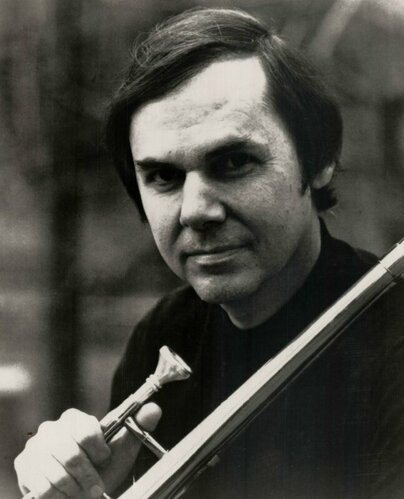
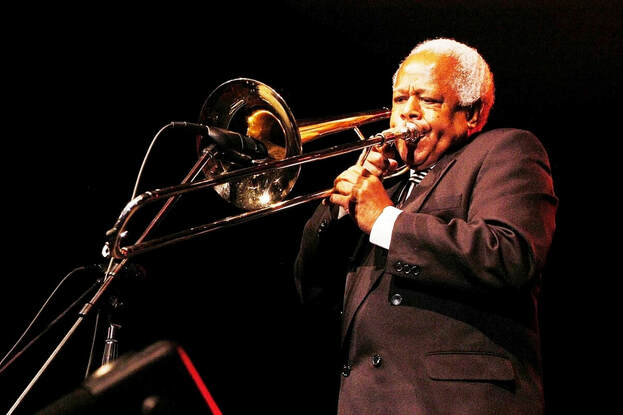
The trombone has kept its basic shape for more than five hundred years. It played in Renaissance cathedrals as the sackbut, carried the harmony of every swing band, and in the hands of J.J. Johnson learned to move at the speed of bebop. Fred Wesley gave it the horn lines that built funk. Urbie Green made it sing. Its story runs through almost every kind of music people have made since the fifteenth century.
Yet a visitor who wants to see that story in one place cannot. Trombones survive as single objects in general collections, a Sax valve trombone at the Metropolitan Museum of Art, a nineteenth-century French buccin at the Museum of Fine Arts in Boston, and the records of the International Trombone Association fill more than three hundred boxes in a university archive in Columbus, Georgia. Each of those institutions does fine work. None of them was built to tell the trombone’s story from beginning to end, and nobody has built that place yet.
We know how this sounds. Museums take years and a great deal of money, and we are starting with neither. What we do have is the beginning of a collection in the Trombonepedia, a radio station heard every month in more than a hundred countries, and a community of players and listeners who care about this instrument more than most people care about anything. That is enough to begin.
How we get there
- INow
A virtual museum
We open the doors online first. Each gallery is built around a player, an era or an idea, drawing on the Trombonepedia, the recordings and the people who knew the artists. We are reaching out to the families and estates of great trombonists to show material that has never been public: letters, photographs, instruments, arrangements in their own hand. Members see each new gallery first.
- IINext
Finding a home
New York City is where much of this history happened, and also where rent would consume the whole project. We are looking just outside it, somewhere a visitor can reach by train: Stamford or elsewhere along Metro-North’s New Haven Line in Connecticut, or a Hudson Valley town up the Hudson or Harlem lines. Members will help us choose.
- IIIThe goal
A museum that plays
Our picture of the finished museum has music in the galleries themselves: a modest stage among the exhibits, where trombone ensembles, students and touring players perform for visitors, and where the instruments on the walls are heard as well as seen. A museum about a sound ought to be loud now and then.
The first galleries
From the Trombonepedia →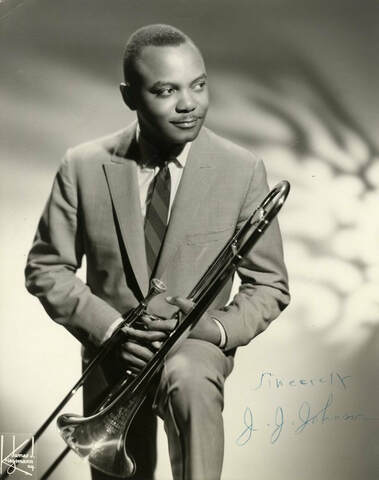
Put your name on the wall
Founding members are the people who were here before there was a building. Your name goes on the founders’ wall online now, and on the real one when it stands.
- Everything for Friends
- Early access to every new gallery
- A vote in choosing the museum’s home
- Everything for Founding Members
- Your name on the physical founders’ wall
- An invitation to the opening
Membership payments open shortly. Until then, “Count me in” adds you to the founding list by email, and we will write to you the day memberships open.
Other ways to help
An instrument with a history, photographs from a session, a letter, an arrangement, a tape nobody has heard. Tell us what you have; loans are as welcome as gifts.
Write to us →Did you study with, play beside or record with one of the greats? We are gathering oral histories for the virtual galleries while the people who lived them can still tell them.
Share your story →Instrument makers, schools and music businesses can underwrite a gallery or the search for a building. Founding partners will be credited in the museum for as long as it stands.
Talk to us →Curators, archivists, nonprofit lawyers, grant writers, architects and anyone who knows real estate in Connecticut or the Hudson Valley: we would be glad to hear from you.
Get in touch →The Trombone Museum is a project of Trombone World, operated by Whole Human Productions, LLC in Sherman, Connecticut. It is not yet a nonprofit organization, and founding memberships are purchases of membership, not tax-deductible charitable contributions. We intend to seek nonprofit status as the museum takes shape, and we will tell members when that changes.