The 1920s
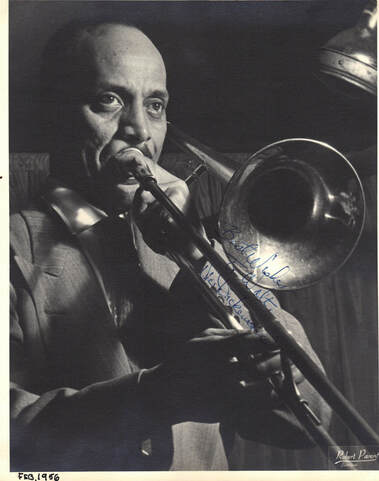
Mole was born on Long Island on March 11, 1898. In 1922 he was a member of the Original Memphis Five, and from 1925 to 1929 he played with the cornetist Red Nichols, including the original lineup of Nichols’s Five Pennies. With Nichols he also led Miff Mole and His Little Molers, which recorded from 1926 until 1930.
A new kind of trombone
Mole is generally counted among the great trombonists of jazz and is credited with the first distinctive and influential solo style on the instrument. Where earlier players had used the trombone mainly for rhythmic and harmonic support, Mole played clean, agile melodic lines, treating the horn as a solo voice. He was the model for trombonists until about 1928, when Jack Teagarden took his place.
Radio and the big bands
Mole began working in radio at WOR in 1927 and was a staff musician at NBC from 1929 to 1938. He then played in Paul Whiteman’s orchestra from 1938 to 1940 and Benny Goodman’s in 1942–43. He died in New York on April 29, 1961. His recording of “There’ll Come a Time (Wait and See)” found a new audience when it was used in the film The Curious Case of Benjamin Button (2008).