The New Orleans revival in England
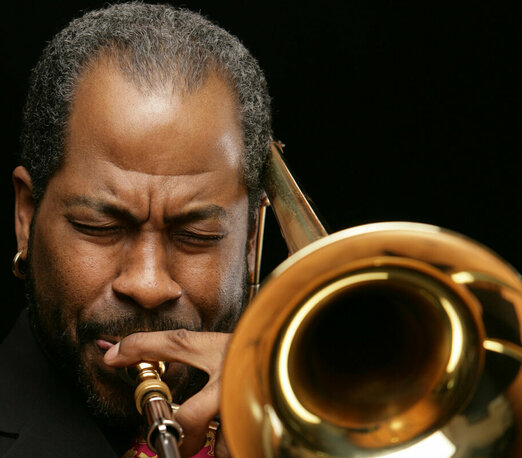
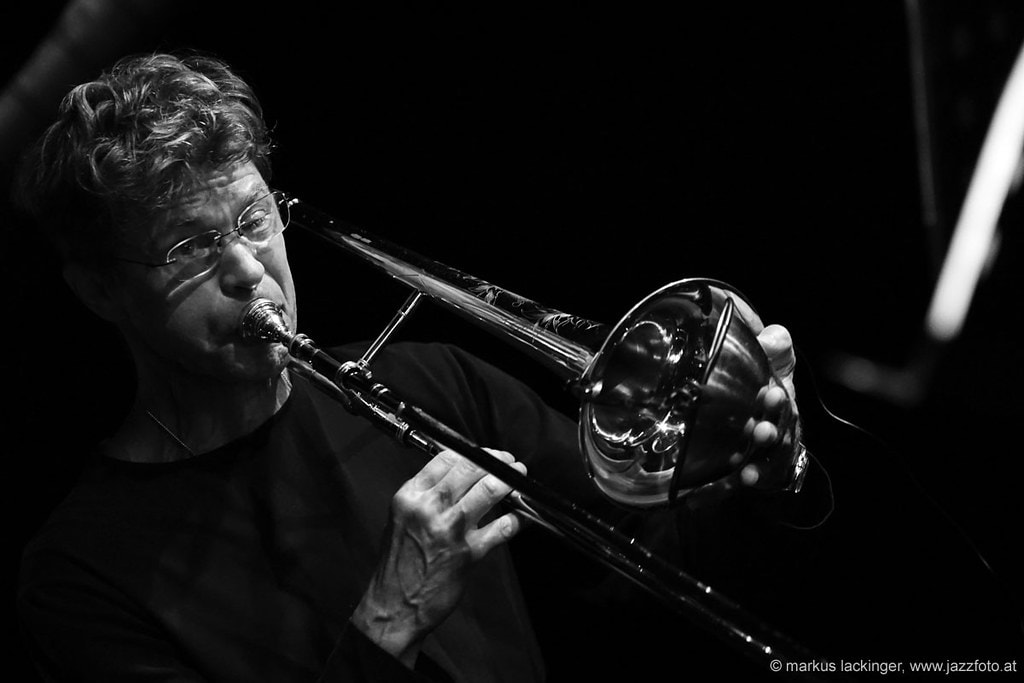
Barber was born in Welwyn Garden City in 1930 and formed an amateur New Orleans Jazz Band in 1950. He gave up an insurance job to become a full-time musician in 1952, and after the band’s debut in Copenhagen in 1953 as Ken Colyer’s Jazzmen, it became the Chris Barber Band in 1954. Over the following decades it was the steadiest and most popular of the British traditional jazz bands, with Barber’s trombone at the center of its ensemble.
Skiffle and the hit parade
Barber’s band had an influence on British popular music far beyond jazz. Its banjoist Lonnie Donegan sang “Rock Island Line” with it in 1954; the record became a hit, launched Donegan’s solo career and set off the skiffle craze in which a generation of future rock musicians first picked up guitars. In 1959 the band’s recording of Sidney Bechet’s “Petite Fleur,” with Monty Sunshine’s clarinet, reached number three in Britain and number five in the United States and sold more than a million copies. The blues singer Ottilie Patterson, who sang with the band, married Barber in 1959.
Bringing the blues to Britain
In the late 1950s and early 1960s Barber arranged the first British tours of Big Bill Broonzy, Sonny Terry and Brownie McGhee, and Muddy Waters. Those tours introduced British audiences and young musicians to electric and country blues at first hand, and they are widely credited with helping inspire the British rhythm and blues boom of the 1960s. Barber kept leading his band, enlarged in 1998 and renamed the Big Chris Barber Band in 2001, until he announced his retirement in 2019. He was appointed OBE in 1991 and died in March 2021 at the age of ninety.